Kreativ Dental · Budapest
Meðferðir og greiningTreatments and diagnostics
Kynntu þér meðferðarúrræðin og greininguna hjá Kreativ Dental. Veldu það sem þú vilt lesa nánar um.Explore our treatments and diagnostic methods. Open the topic you would like to learn more about.
TannplantameðferðDental implants
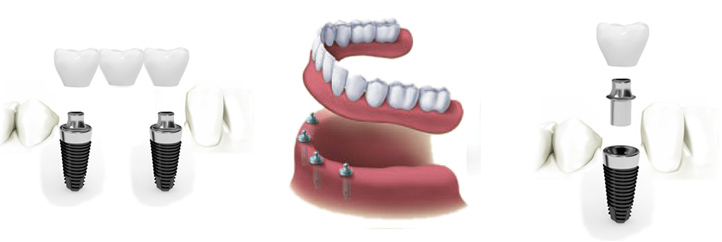
Á þessari síðu eru upplýsingar sem ætlað er að gefa yfirsýn yfir venjubundna ísetningu tannplanta
Hvað eru tannplantar?
Tannplanti er eins konar gervitannrót sem komið er fyrir í kjálkanum til þess að halda nýrri tönn, brú eða jafnvel gómi.
Tannplantar eru smíðaðir úr hreinu títaníumefni sem líffræðilega binst líkamsvef og í raun verður hluti af kjálkabeininu. Tannplantar eru árangursrík, örugg og fyrirsjáanleg lausn á þeim vandamálum sem fylgja tannmissi.
Hvers vegna að velja Kreativ Dental?
Tannplantameðferðir eru sérstakt sérsvið Kreativ Dental. Tannsérfræðingar okkar hafa lokið þúsundum ísetninga tannplanta með góðum árangri. Við teljum að fenginni langri reynslu að hátæknitannlæknastofan okkar hafi allt sem við þörfnumst til að framkvæma tannplantaaðgerðir í faglegu umhverfi hæfasta fagfólks. Við erum ein af fáum tannlæknastofum sem höfum yfir tölvusneiðmyndatæki að ráða fyrir tannlækningar. Það gerir okkur kleift að vinna af öryggi í þessu viðkvæma umhverfi sem munnholið er.
Tölvusneiðmyndatækið gerir okkur einnig mögulegt að greina af nákvæmni hvort kjálkabein sé hentugt fyrir tannplant í stað þess að þurfa fara í óþægilega skoðun í deyfingu. Slíkt tæki er ekki ódýrt en þar sem við framkvæmum fjölda tannplantaaðgerða þá er kostnaður mun lægri en ætla mætti fyrir einstaklinga.
Hvers vegna að láta setja tannplanta þar sem tönn/tennur vantar?
Auk þess að geta brosað, borðað og talað betur þá koma tannplantar í veg fyrir breytingar á andliti sökum rýrnunar á kjálkabeini. Tannplantar koma í veg fyrir þynningu beins með því að skapa þrýsting á kjálkabeinið þegar tuggið er. Líkaminn bregst við þessum þrýstingi á kjálkabeinið með því að auka smám saman við beinmassann. Tannplantar eru vel þekktir fyrir þá kosti sína að stöðva beinþynningu í kjálka og laga með því andlitsfall.
Það eru margar óæskilegar aukaverkanir þess að láta ekki setja tönn þar sem tönn/tennur vantar:
- Los á aðliggjandi tönnum: Þar sem tönn vantar í góm geta andstæðar tennur lengst, tennur við bilið fara að hallast inn að því sem svo síðar getur orðið til þess að matur fer að festast á þessu svæði og ef til vill valda skemmdum á nærliggjandi tönnum
- Erfiðleikar við að tyggja: tannmissir getur valdið vandamálum við að tyggja sem svo getur leitt til meltingatruflana
- Breytingar á andlitsfalli og beinrýrnun: Það verður óæskileg öldrun í andliti vegna rýrnunar kjálkabeins og frábrugðins andlitsfalls
- Minni stuðningur við varir
- Skert geta til tals: erfiðleikar og/eða óþægindi við að tala, sérstaklega ef um framtennur er að ræða
Hentar tannplantaaðgerð mér?
Tannplantar eru besti kosturinn fyrir fólk á öllum aldri sem er við góða almenna tannheilsu. Til dæmis þá sem misst hafa tönn eða tennur vegna slysa, sjúkdóma í tannholdi, áverka eða af öðrum ástæðum. Mikilvægt er að ekki sé rýrnun í kjálkabeini svo nægilegur stuðningur sé til staðar fyrir tannplantann. Ákveðin heilsufarsleg mál þarfnast sérstakrar skoðunar; tilteknir langvarandi sjúkdómar, stórreykingar eða misnotkun áfengis getur haft í för með sér að ekki sé mælt með tannplantameðferð. Eftir vandlega unnið mat á heilsufarssögu munu tannlæknar okkar upplýsa þig um hverjar þær ástæður sem kunna að hafa áhrif á meðferðina. Hafið hugfast að aldur hefur ekki áhrif.
Er nægt bein til staðar?
Mikilvægt er að nægilega sterkt bein sé til staðar til að styðja við tannplantann. Sé nægilegur beinmassi ekki til staðar eru til margar öruggar og áhrifaríkar leiðir til að laga beinskort. Sérfræðingar okkar í tannplöntum munu meta og ráðleggja sé þörf á viðbótarbeinfyllingu. Nauðsynlegt gæti verið að byggja upp bein eða lyfta kinnholum áður en hægt er að koma tannplanta fyrir.
Hverjir eru kostirnir við tannplanta?
Náttúrulegt útlit og tilfinning fyrir tannplanti er með slíkum hætti að þú gætir jafnvel gleymt því að það hafi nokkrun tíma vantað tönn. Ef til vill felur þú brosið til að hylja skarðið? Hugsanlega ertu ekki örugg(ur) með gervigóminn/tannpartinn? Kannski fylgja erfiðleikar því að tyggja?
Vanti þig eina eða fleiri tennur og myndir vilja getað brosað með örryggi, talað og borðað aftur með náttúrulegum og eðlilegum hætti gætu tannplantar verið lausnin fyrir þig. Tannplantar eru sérstaklega hentugir fyrir þá sem geta ekki lengur notað gervigóm eða tannparta.
- Endurnýjuð geta til að tala og tyggja almennilega
- Endurheimt náttúrulegs andlitsfalls
- Varðveisla á kjálkabeini
- Endurbót á náttúrulegu útliti og virkni tanna
- Aukið sjálfstraust og sjálfsvirðing
Eru til mismunandi tegundir tannplanta?
Svarið er já, það eru til margar gerðir af tannplöntum. Við notum Cowellmedi tannplanta en einnig notum við Nobel Biocare og Straumann. Við erum fær um að smíða krónur, brýr og föst- og laus tanngervi á flestar gerðir tannplanta.
Hvernig fer tannplantaísetningarferlið fram?
Ísetning tannplanta fer fram með eftirfarandi hætti:
• Ísetning tannplants
• Hvíldartími fyrir góm að gróa og og bein að ná festu við tannplantann
• Opnun á tannplantanum
• Búa til mót
• Krónu komið fyrir, brú eða tanngervi
Eftir að tannplantanum hefur verið komið fyrir í gómi tekur við hvíldartímabil sem er á bilinu 3 til 6 mánuðir. Á þeim tíma grær beinið fast við tannplantann. Sé kinnholulyfting eða uppbygging kjálkabeins nauðsynleg gæti þessi hvíldartími verið eitthvað lengri.
Að hvíldartíma liðnum tekur við önnur heimsókn á tannlæknastofuna frá 5 til 15 dögum þar sem postulíns- eða zirconiumkrónum er komið fyrir. Margir kjósa að deila þessari heimsókn sinni í tvo hluta með 1 til 2 vikna millibili.
Fylgja aðgerðinni verkir eða önnur óþægindi?
Upplifun margra af tannplantaaðgerð er að hún sé auðveldari en að láta fjarlægja tennur. Þegar tannplantanum er komið fyrir í gómi er notast við staðdeyfingu en stundum er notað róandi lyf ef viðkomandi er mjög kvíðinn. Flestir segja að þeim hafi liðið mun betur að lokinni aðferð en þeir höfðu búist við.
Verð ég án bráðabirgðatanna?
það eru nokkrar mismunandi leiðir til að fá bráðabirgðatennur á meðan svæðið grær. Flestir notast þó við sína eigin góma eða tannparta á meðan. Sumir hafa verið án tanna í lengri tíma og hentar það vel að vera án bráðabirgðatanna í nokkra mánuði. Fyrir þá sem hentar það síður að vera án bráðabirgðatanna er venjulega hægt að fá fastar eða lausar bráðabirgðatennur. Fastar bráðabirgðatennur eru kostnaðarsamari en þær lausu þar sem þær eru brýr sem festar eru við samliggjandi tennur. Lausa tannparta eins og góma er hægt að smíða á tannverkstæði eða að hægt er að notast við gamla góminn á meðan svæðið er að gróa með smá aðlögun.
Hversu langan tíma tekur meðferðin?
Ísetning tannplanta krefst heimsóknar í 3 til 5 daga. Eftir það tekur við hvíldartími í 3 til 6 mánuði þar sem beinið er að bindast tannplantanum. Meðan á þeim tíma stendur er hægt að nota góminn sinn eða tannplant. Þegar tíma gróandi líkur er endurkoma á tannlæknastofuna sem tekur 5 til 15 daga eftir eðli aðgerðar til að máta postulíns- eða Zirconiumkrónur eða tanngervi. Margir einstaklingar skipta þessum öðrum hluta meðferðarinnar í tvær styttri heimsóknir með 1 til 2 vikna millibil, allt eftir eðli meðferðar.
Hversu lengi mun tannplantinn endast?
Við rétt skilyrði og með góðri tannhirðu geta tannplantar enst allt lífið.
Kostnaður við tannplanta?
Eins og með margt annað í lífinu er besti kosturinn oft sá dýrasti. Jafnvel þótt upphafskostnaðurinn við að fá tannplanta geti verið hár þá getur sparnaðurinn yfir ævina verið talsverður. Einstaklingar víðs vegar að koma á hverjum degi til okkar á Kreativ Dental tannlæknastofuna í Búdapest til að nýta sér þann mikla sparnað sem mögulegur er við að gera kostnaðarsama aðgerð hjá okkur.
Skoðið meðferðardæmi og myndir
© 2011 Copyright www. kreativ dental clinic. Dental Implant Specialist in Budapest Hungary
Kreativ Dental Hungary Dental Implants Cosmetic Dentistry Abroad Dental Smiles Porcelain Crowns Root Canal Treatment Zirconium Crowns
Dental Implants
The Dental Implant information in this section of the website is intended to provide you with an overview of routine dental implant treatment.
Why choose Kreativ Dental?
Dental Implant Treatment is a particular area of experience at the Kreativ Dental Clinic. Our dental specialists have completed thousands of implant treatments successfully. Our state of the art dental clinic in Budapest has everything we could possibly need on-site to provide implants in a safe and professional environment. We are one of the few dental clinics to have a dental CT scanner. This enables us to avoid damage to important nerves in the jaws and to the sinuses. The CT scanner allows us to diagnose with accuracy if your bone is suitable for implants.
Why should teeth be replaced?
Apart from being able to smile, eat, and speak better; dental implants prevent the onset of poor facial profile due to the loss of bone mass in your jawbone. Dental Implants prevent bone loss by transmitting load forces during the chewing process down into the jawbone. The jawbone reacts to this loading by increasing the bone density. Dental Implants are well known in their ability to stop bone loss and restore facial skeletal structure while significantly improving digestion.
There are many unfavorable consequences from loss of teeth without replacement:
- Migration of adjacent teeth: when there is a gap, opposing teeth may over-erupt adjacent teeth migrate towards the empty spaces resulting in food trapping and possible decay
- Difficulty of chewing : missing teeth can cause insufficient chewing function that could possibly result in indigestion
- Poor appearance & bone loss: loss of youthful appearance and facial structure due to bone resorption
- Loss of lip support
- Poor speech : difficulty in speaking especially if front teeth are missing
Am I a candidate for dental Implants?
Dental implants are the best option for people of all ages in good general oral health who have lost a tooth or teeth due to an accident, gum disease, injury, or some other reason. It is important that you have enough dental bone to support the implant. There are some health conditions which warrant special consideration. Certain chronic diseases, heavy smoking, or alcohol abuse may contraindicate implant treatment. After careful evaluation of your health history, our dentists will alert you to any conditions that may effect your treatment. Please remember, age is not a factor.
Do I have enough bone?
It is important for a patient to have enough bone to support an implant. If you do not have enough bone, there are many safe and effective ways to correct bone deficiency. Our implantologist will assess you and advise you if additional bone mass is needed. It may be necessary for him to perform an artificial bone replacement or sinus lift in order for the implant to be placed.
What are some of the benefits of dental implants?
Dental implant restorations can provide a natural feel and appearance, so you may forget you ever lost a tooth. Perhaps you hide your smile because you are embarrassed by your missing teeth. Maybe your dentures don’t feel secure. Perhaps you have difficulty chewing. If you are missing one or more teeth and would like to smile, speak and eat again with comfort and confidence, implants could be the answer. Dental implants are especially practical for patients who can no longer wear removable dentures.
- Renewed ability to chew and speak properly
- Restoration of facial aesthetics
- Preservation of remaining jaw bone structure
- Recovery of the natural appearance and function of teeth
- Increased confidence and self-esteem
Are there different types of dental implants?
There are many different types of dental implants. We use Cowellmedi implants, and we can also place Nobel Biocare and Straumann. We are able to produce crowns, bridgework or implant-retained dentures (Locator dentures) on many other types of implants as well.
Dental Implant Procedure?
Dental Implant treatment is arranged in the following steps:
• Insertion of the Implant
• Healing of the gum
• Exposure of the Implant site
• Taking the impression
• Insertion of crown and bridge or over-denture
The placement of the implant is followed by a healing period of normally between 3 and 6 months in which the bone bonds to the implant. If sinus lift or artificial bone replacement is necessary the healing period is likely to be longer.
At the end of the healing period, a return visit of between 5 and 15 days is required for the fitting of Porcelain or Zirconium Crowns. Many patients can divide the second stage into two parts, with a 1-2 week break in between.
Is there pain or discomfort?
The dental implants are placed using a simple local anaesthetic. Most patients report that they were much more comfortable following the procedure than they had anticipated.
Will I be without replacement teeth at any time?
There are several different ways to get temporary teeth during the healing period. Most people just wear their existing denture during this time. Some people have been without teeth for a long time and so are happy to go without temporaries for a few months. For those who are not it is usually possible to get fixed or removable temporary teeth. Fixed temporaries are more expensive as they are dental bridges bonded to the adjacent teeth. Removable temporary dentures may be made by our laboratory or you may use your existing dentures with a little adjustment during the healing phase.
How long does the treatment take?
For a single implant placement, we normally require one appointment time of approximately 15 minutes. If the patient requires multiple implants we normally need a few appointments over a few days.
How long will my implants last?
Under proper conditions and with diligent oral hygiene, dental implants can last a lifetime.
Cost of Dental Implants?
Our implant prices are typically 40-70% lower than in the patient’s own country. Patients regularly travel to the Kreativ Dental clinic in Hungary to take advantage of the huge savings available.
Postulínskrónur og brýrPorcelain crowns and bridges
Hvers vegna eru krónur notaðar?
Þegar tönn er sprungin, brotin eða skemmd getur lausnin verið að slípa hana til og koma krónu fyrir á tönninni.
Sem dæmi:
• Til að laga útlit tanna þegar þær hafa litast vegna fyllinga
• Til að vernda tönn sem hefur verið rótarfyllt
• Til að halda tanngervi (brú eða gómi) föstu.
Différents types de couronnes dentaires sont utilisées par les dentistes a la clinique Kreativ Dental. Les prothèses se distinguent entre elles par leurs matériaux et leurs techniques de fabrication. Ce sont essentiellement ces facteurs qui déterminent le prix des couronnes dentaires.
Verklag okkar við krónumeðferð :
Meðferð með krónum er gerð í eftirfarandi skrefum samkvæmt niðurstöðum frá ráðgjafafundi:
• Undirbúningur tanna
• Mót er tekið af tönnum
• Bráðabirgðakrónu er komið fyrir
• Smíði krónunar
• Ísetning krónunnar
Við fyrstu heimsókn undirbýr tannlæknirinn tennurnar og mót af tönnum er tekið sem notað er til að smíða krónurnar. Bráðabirgðakrónum er síðan komið fyrir. Við næstu heimsókn fjarlægir tannlæknirinn bráðabirgðakrónurnar og kemur krónunum fyrir á tönnunum.
Porcelain crowns and bridges
WHY HAVE DENTAL CROWNS?
When a tooth is cracked, decayed, or damaged, a crown may need to be fitted onto the tooth.
Crowns can help to whiten, reshape, and realign existing teeth.
For instance:
• You may have discoloured fillings and would like to improve the appearance of the tooth.
• You may have had a root filling which will need a crown to protect it.
• It may be needed to help hold a bridge or denture firmly in place.
Our Dental Crown Procedure
Dental Crown treatment is arranged in the following steps according to the results of the consultation:
During your first visit the dentist will prepare the teeth to provide an easy fit for the crowns.
An impression of your teeth is taken which is used to construct your crown.
A temporary crown is then fitted onto the teeth.
On your next visit the dentist removes the temporary crown and fits the permanent crown onto the teeth.
- Preparation of the teeth
- Taking the impression
- Insertion of the Temporary Crown
- Construction of the Crown
- Insertion of the final Crown
Gegnheilar postulínskrónurFull porcelain crowns
Hvers vegna að vera með gegnheilar postulínskrónur?
Í sumum tilfellum mæla tannlæknar með gegnheilum postulínskrónum, sem dæmi, þegar verið er að endurgera efri og neðri framtennur. Fagurfræðilega standa gegnheilar postulínskrónur mun framar hvað gæði snertir en postulínskróna sem kveikt er við málm- eða gullkrónur. Gegnheilar postulínskrónur eru smíðaðar aðeins úr postulíni sem gerir það að verkum að útlitið er náttúrulegra því ljós leikur í gegnum þær líkt og um venjulegar tennur sé að ræða og grámi kemur ekki í gegn.
Verklag okkar við gerð gegnheilla postulínskróna:
Þegar gegnheilar postulínskrónur eru notaðar er það gert í eftirfarandi skrefum samkvæmt niðurstöðum frá ráðgjafafundi:
• Undirbúningur tanna
• Mót er tekið af tönnum
• Bráðabirgðakrónu er komið fyrir
• Smíði gegnheillar postulínskrónu
• Ísetning gegnheilu postulínskrónunnar
Í fyrstu heimsókn undirbýr tannlæknirinn tennurnar og mót af tönnum er tekið sem notað er til að smíða postulínskrónurnar. Bráðabirgðakrónum er síðan komið fyrir. Við næstu heimsókn fjarlægir tannlæknirinn bráðabirgðakrónurnar og kemur gegnheilu postulínskrónunum fyrir á tönnunum.
Full porcelain crowns
Why have Full Porcelain Crowns?
Full Porcelain Crowns are often recommended by the dentist for restoration work of upper and/or lower front teeth. In aesthetic terms Full Porcelain Crowns are superior to Porcelain Fused to Metal/Gold Crowns because they are produced using full porcelain thus allowing for a more natural appearance.
Our Full Porcelain Crown Procedure:
Full Porcelain Crown treatment is arranged in the following steps according to the results of the consultation:
• Preparation of the teeth
• Taking the impression
• Insertion of the temporary Crown
• Construction of the Full Porcelain Crown
• Insertion of the final Full Porcelain Crown
During your first visit the dentist will prepare the teeth to provide an easy fit for the crowns.
An impression of your teeth is taken and used to construct your Full Porcelain crowns.
Temporary crowns is then fitted onto the teeth.
On your next visit the dentist removes the temporary crowns and fits the permanent Full Porcelain crowns onto the teeth.
TanngerviDentures
Tanngervi er tilbúinn íhlutur hannaður til að koma í staðinn fyrir glataðar tennur. Einnig gjarnan kallaðar falskar tennur eða gómur.
Tanngervi sækja stuðning sinn í vefi í munnholinu bæði úr gómi og tannbeini.
Hefðbundin tanngervi eru laus. Margar mismunandi tegundir tanngerva eru til, sum fá stuðning sinn með að tengjast eða smella saman við tannplanta.
Lausir tannpartar eru ætlaðir þeim þar sem NOKKRAR tennur vantar í tanngarðinn. Heilgómar eru fyrir þá sem vantar ALLAR tennur í tanngarðinn annað hvort þann efri (maxillary arch) eða þann neðri (mandibular arch).
Á undanförnum árum hefur þróunin í tannlækningum verið sú að auka festu tanngerva í munninum með tannplöntum.
Ísetning tannplanta í tannbein hjálpar til að veita aukna festu og stöðugleika fyrir tanngervið svo það geti betur staðist þrýsting þegar tuggið er. Þrýstingurinn á tannbeinið hindrar að það eyðist.
Þegar tannplantar eru hluti af meðferðinni þá er talað um góminn sem tannplant studdan yfirgóm (overdenture).
Við hjá Kreativ Dental sérsmíðum fasta góma sem studdir eru með tannplöntum fyrir þá sem það hentar.
Í flestum tilfellum eru heil tanngervi án óþæginda fljótlega eftir að þeim hefur verið komið fyrir. Þó má gera ráð fyrir alla vega tveimur heimsóknum til að meðhöndla aum svæði í gómi.
Líkt og með náttúrulegar tennur þarf tanngervið eðlilega tannhirðu.
Regluleg tannburstun hjálpar til að halda tanngervinu hreinu og munninum heilbrigðum.
Regluleg skoðun hjá tannlækni er mikilvæg. Tannlæknirinn mun skoða munninn til að sjá hvort að tanngervið passi enn á réttan hátt.
Með tímanum getur þurft að endurfóðra tanngervið, koma því betur fyrir eða endurgera það sökum eðlilegs slits.
Með reglulegri faglegri umhirðu, jákvæðu hugarfari og seiglu getur þú orðið einn/ein af þeim milljónum manna sem ganga með góm sinn og tennur með brosi!
Implant-retained dentures
Dentures are supported by surrounding soft and hard tissues of the oral cavity.
Conventional dentures are removable. There are many different denture designs, some rely on bonding or clipping onto teeth or dental implants.
Dentures are also commonly called a dental plate or false teeth, meaning the same.
Removable Partial Dentures are for patients who are missing SOME of their teeth on a particular arch. Complete Dentures or full dentures are worn by patients who are missing ALL of the teeth in a single arch (i.e the maxillary (upper) or mandibular (lower) arch).
More recently, there has been a move to increase denture stability with implants.
The insertion of implants into the bone below the dentures does help to provide improved support and stability to withstand the pressure when the denture is used for chewing, keeping the bone from resorbing.
When implants are integrated into the treatment, the denture is now referred to as being an implant-supported or implant-retained overdenture.
We produce Locator implant-retained dentures.
Just like natural teeth, dentures need to be brushed daily to clean them from food deposits and plaque.
Brushing helps prevent dentures from becoming permanently stained and keeps your mouth healthy.
Regular dental check-ups are important.
The dentist will examine your mouth to see if your dentures still fit properly.
As time goes by dentures will need to be relined, re-based, or remade due to normal wear.
With regular professional care, a positive attitude and persistence, you can become one of the millions of people who wear their dentures with a smile!
RótfyllingRoot canal treatment
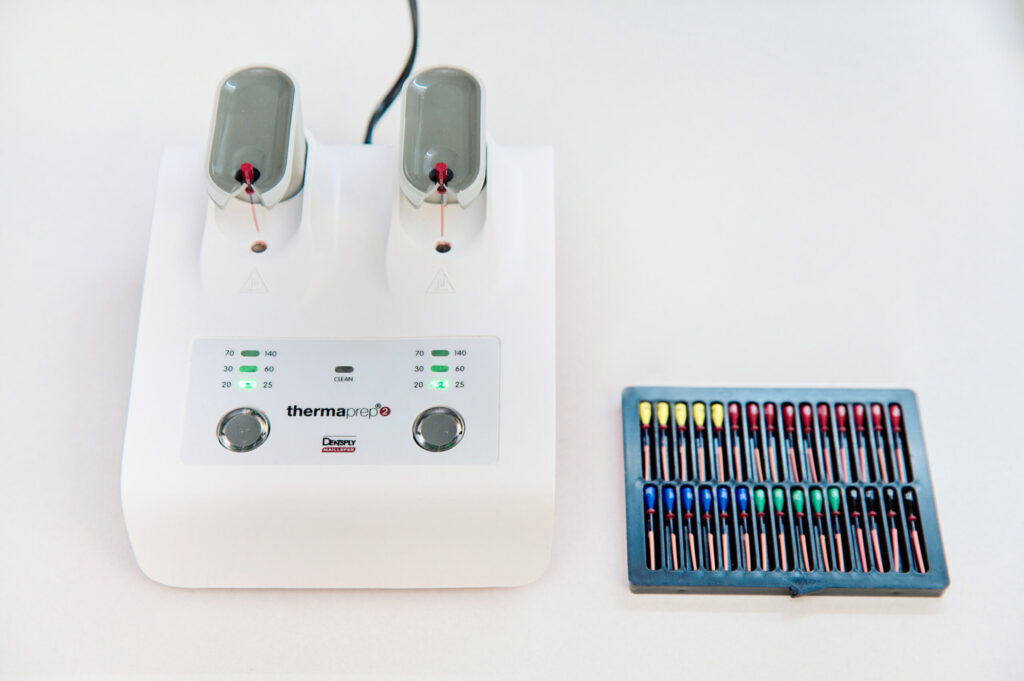
Rótfylling (einnig kallað Endodontics) er óhjákvæmileg þegar sýking er í taug eða kjálkabeini vegna skemmdar, höggs eða vegna annarra ástæðna. Sé sýkingin ekki meðhöndluð getur hún breiðst út um rótarkerfi tannarinnar sem á endanum getur leitt til ígerðar.
Rótfyllingaraðgerð er tímafrek, krefst mikillar nákvæmni, sérþjálfaðra tannlækna og hugsanlega er þörf á fleiri en einni heimsókn.
- Sýktur vefur er fjarlægður.
- Hvers konar hugsanlegar ígerðir eru ræstar fram.
- Rótargöngin eru þá hreinsuð og formuð fyrir fyllingu.
- Tímabundin fylling er sett í.
- Tönnin fær tíma til að jafna sig.
- Tönnin er skoðuð í næstu heimsókn.
- Þegar öll sýking hefur verið upprætt er varanlegri fyllingu komið fyrir.
Hvers vegna að fá rótfyllingu?
Ef rótfylling er ekki gerð af vandvirkni getur sýkingin breiðst út og þá þarf að fjarlægja tönnina. Sumir kunna að kjósa að láta draga tönnina úr en við mælum með því að halda í eins margar náttúrulegar tennur og mögulegt er.
Root Canal Treatment
What is a root canal treatment?
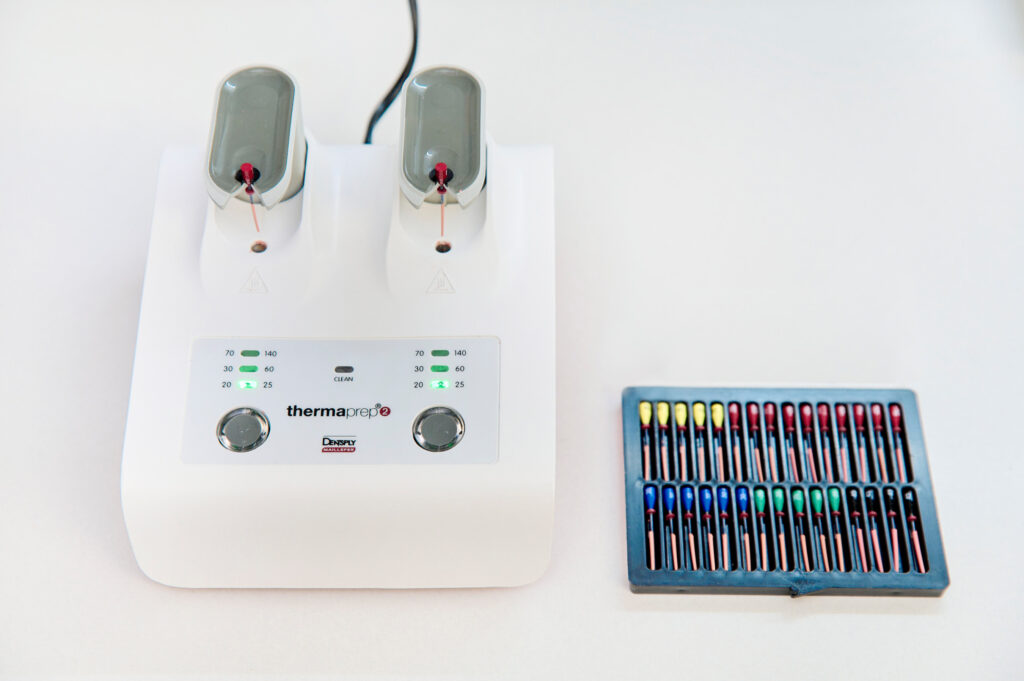
Root canal treatment is a type of dental procedure aimed at preserving a damaged or infected tooth, avoiding extraction. The goal is to clean and seal the root canal system to prevent further infection and maintain the tooth’s function. This involves a chemo-mechanical cleaning of the root canal system, followed by hermetic sealing both at the apex and coronally. Mechanical cleaning uses flexible, heat-treated manual and rotary instruments, while chemical cleaning involves chelating and disinfecting agents.
Who performs root canal treatments?
General dentists and specialized endodontists (root canal specialists) are qualified to perform these procedures.
When is a root canal treatment needed?
A root canal is indicated in cases such as:
- Irreversible pulp inflammation (pulpitis): Persistent infection or inflammation of the dental pulp.
- Periapical inflammation (periodontitis): Acute or chronic inflammation around the tooth root.
- Replacement of an inadequate root filling: Revision of a previous root canal treatment.
- Trauma: Damage to the tooth caused by injury.
- Exposed pulp during tooth preparation: Accidental exposure of the pulp during crown or bridge preparation.
- Preventive treatment: Addressing potential future complications.
Why should you choose Kreativ Dental for root canal treatment?
Our endodontist at the clinic in Budapest will provide you with treatment according to the highest professional standards and you can still save significantly compared to local prices. Our specialist has more than 10 years of experience in this field. He only starts treatment after a thorough examination and diagnosis involving other dentists when needed.
What technology is used during root canal treatment?
Modern technology enhances the precision and effectiveness of root canal treatments. Key tools include:
- 3D CBCT Imaging: low-dose 3D imaging for a detailed view of the root canal system.
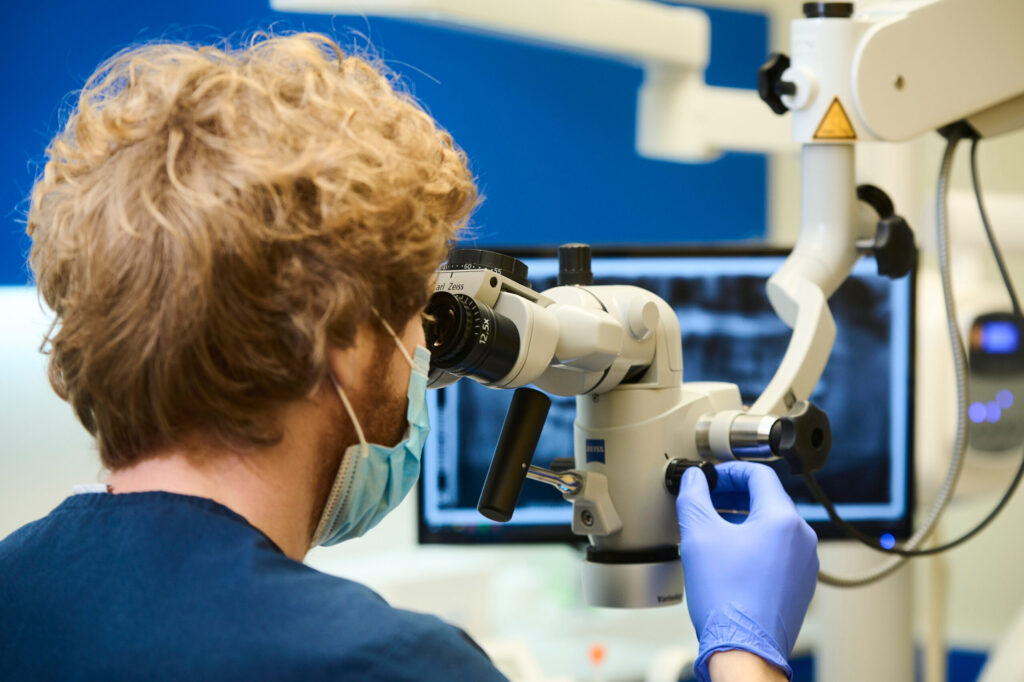
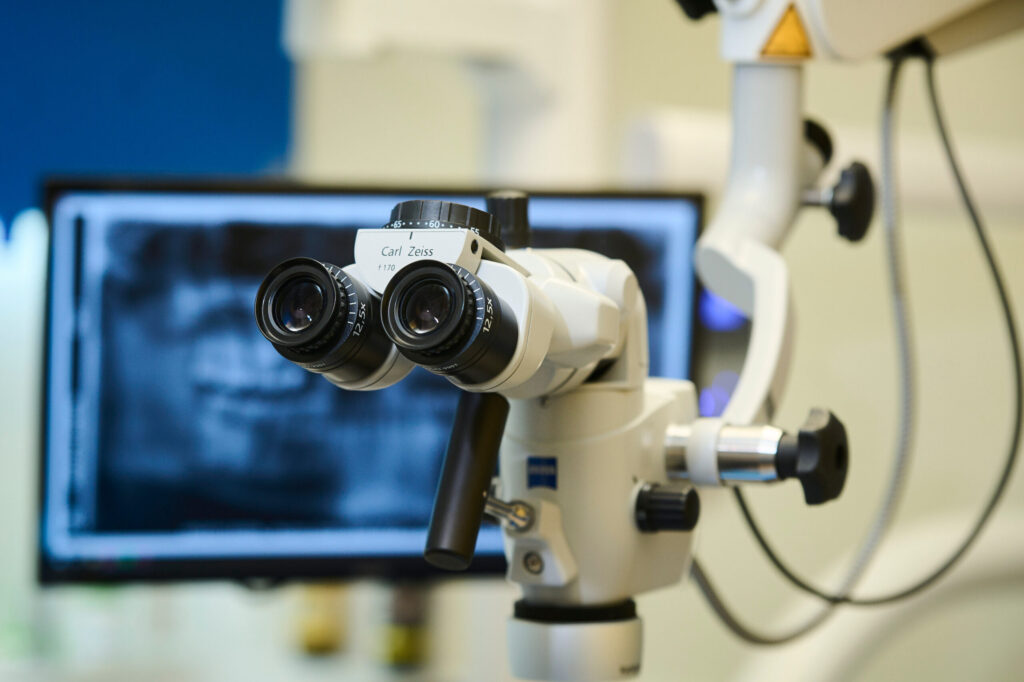
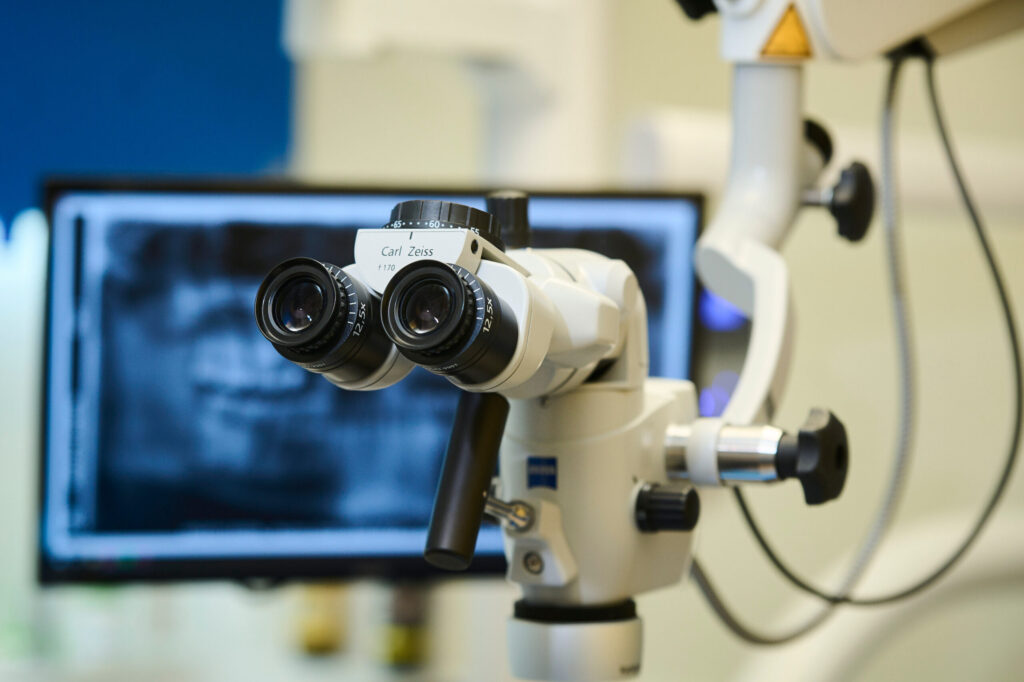
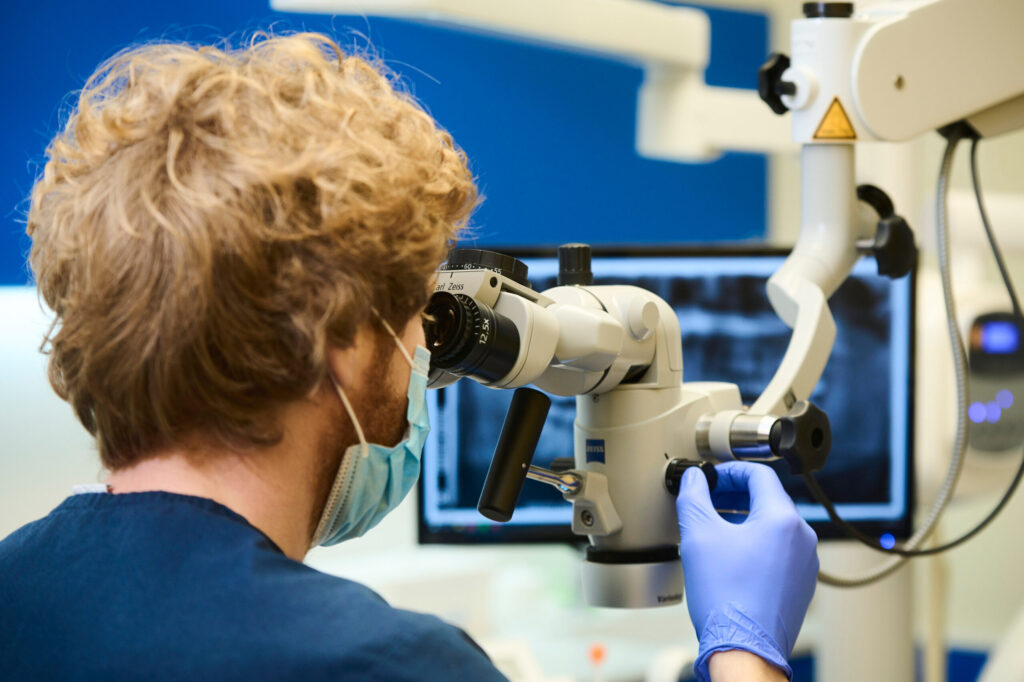
- Microscopy: useful for detecting microfractures, locating canals, and performing treatments through the crown.
How is a root canal treatment performed?
The procedure is done under local anesthesia and typically lasts 30–90 minutes per tooth, depending on the number and complexity of the canals. Efforts are made to complete the treatment in one visit. If drainage is required due to bleeding or pus, a second visit is scheduled for final sealing of the canals.
Steps include:
- Access and cleaning: removal of infected or inflamed tissue from the canal system.
- Shaping and disinfection: mechanical and chemical cleaning of the canals.
- Sealing: filling the cleaned canals with biocompatible materials to prevent re-infection.
- In some cases, surgical intervention may be necessary, such as apicoectomy (Root End Surgery): surgical removal of the infected root tip, sometimes with a retrograde filling in the remaining root.
Post-treatment considerations
Some sensitivity or pain may occur after the procedure. These symptoms are typically manageable with painkillers or antibiotics, as prescribed. Root canal treatment offers a reliable way to save a tooth, restore oral health, and maintain a natural smile.
TannvegsbólguaðgerðPeriodontal surgery
Hvað er skurðaðgerð vegna tannvegsbólgu?
Tannvegsbólguskurðaðgerð er framkvæmd þegar bakteríuskán og tannsteinn, svokölluð tannsýkla, er fjarlægð af tönnum og tannholdi.
Hvers vegna þarf að fara í skurðaðgerð vegna tannvegsbólgu?
Sjúkdómar í gómi og tannmissir eru oft afleiðingar þess að tannvegsbólgur eru ekki meðhöndlaðar í tæka tíð. Byrjunarstig tannvegsbólgu er tannholdsbólga. Ef tannholdsbólga er ekki meðhöndluð þróast hún alla jafna í tannvegsbólgu. Þá eru sýklarnir komnir í dýpri lög stoðvefja tanna, eyðing beins hefst, festa tanna minnkar og að lokum losna þær.
Tannvegsbólgumeðferð er í sumum tilfellum nauðsynleg til að bæta tannheilsu áður en hægt er að hefja endurbætur á tönnum.
Periodontology: Treating Gum and Periodontal Issues
What is the Periodontium?
The periodontium comprises the tissues that anchor the teeth in the jawbones. It includes the bone that holds the teeth, suspended by a system of fibers, and the gingival tissue (gum) that covers it externally.
What is a Periodontal Problem?
Periodontal problems involve inflammation in the periodontium, leading to the destruction of tissues, loosening of teeth, and eventually tooth loss. Early stages may not involve gum recession, which can be misleading as the supporting bone might already be deteriorating. Periodontal issues are not synonymous with gum “shrinkage.”
Symptoms of Periodontal Problems
Initially, periodontal issues are often asymptomatic, delaying diagnosis. Gum recession typically occurs in advanced stages. Key signs include:
- Changes in gum color.
- Bleeding gums during brushing.
- Bad breath.
Advanced stages: gum recession, tooth mobility, and shifting of teeth.
Diagnosing Periodontal Problems
Because subjective symptoms are subtle until moderate stages, regular periodontal check-ups are crucial for early detection. During routine exams, a periodontal probe checks the gums for looseness, bleeding, or deep pockets (indicating gum recession with underlying bone loss). These pockets can harbor plaque, tartar, and bacteria. X-rays can detect even minor bone loss.
Treating Periodontal Disease
Periodontal treatment requires a comprehensive approach, including non-Surgical Procedures such as
- Scaling and Polishing: Cleaning the tooth surfaces.
- Closed Curettage: Removing deposits and bacteria from gum pockets to reduce inflammation, often performed under local anesthesia.
- Antibiotics may be prescribed based on severity.
- Surgical Procedures (in advanced cases):
- Open Curettage: Exposing gums to thoroughly clean affected areas and potentially regenerate bone tissue.
Maintaining Periodontal Health
Effective management of periodontal health involves
- Professional dental cleaning and check-ups every 3–6 months.
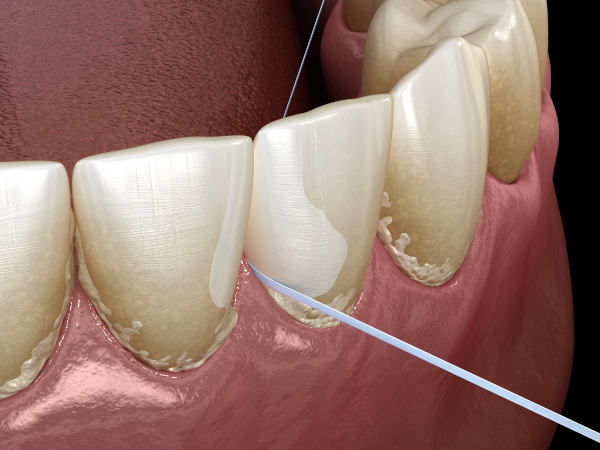
- Mastering proper brushing techniques and cleaning between teeth with floss or interdental brushes.
- Avoiding smoking, which worsens periodontal health and reduces treatment efficacy. Smoking cessation or harm reduction improves outcomes.
Are Periodontal Problems Only Local?
No. Research has shown strong links between periodontal disease and systemic health conditions. As an inflammatory condition, periodontal disease can exacerbate other inflammations, such as in diabetes management. Bacteria and toxins associated with periodontal issues have been detected in cardiovascular diseases and complications like preterm birth and fertility problems.
Why is Kreativ Dental a good choice for Periodontal Treatments?
As a leader in dental tourism in Hungary, Kreativ Dental has more than 20 years of experience in treating patients with all kinds of dental issues. Our dentists work according to the highest standards at affordable prices. Our team of experts also includes a Periodontist who has more than 15 years of experience in the field of periodontology.
Advantages of Periodontal Treatment
- Long-Term Results: Aims to eliminate gum inflammation and resolve periodontal disease for lasting outcomes.
- Prevention: Regular periodontal care can prevent problems before they occur.
- Improved Aesthetics: Correcting inflamed or receding gums enhances appearance.
Disadvantages
- Discomfort: Treatment can sometimes be painful, particularly without anesthesia.
- Recovery Time: Surgical procedures require longer healing and carry a higher risk of complications.
- Gum Recession: Treatment may sometimes result in gum recession, causing aesthetic concerns.
BitmeðferðBite analysis and treatment
Bitmeðferð (e. Gnathological treatment) er sérgrein innan tannlæknisfræðinnar. Í fyrstu þarf að fara fram skoðun á biti (occulusion skoðun) þar sem efri og neðri kjálki eru skoðaðir og rannsakað er hvernig liðamót og vöðvar í kjálka virka og hvernig bitplan einstaklings er, þ.e. hvernig efri og neðri tennur passa saman þegar bitið er.
Skakkt bitplan (uillitting occlusion) getur orsakað ýmis heilsufarsleg vandamál svo sem; svefnleysi, verk í andliti, óþol og verki í kjálkaliðamótum og kjálkavöðvum og höfuðverk. Gjarnan er fólk ekki meðvitað um þetta vandamál og tannlæknar geta oft ekki uppgötvað skakkt bit (bad occlusion) með hefðbundinni skoðun.
Bitmeðferð gerir tannlækninum kleift að mæla samverkan kjálkanna með sérstöku tæki og síðan meðhöndlun samkvæmt því sem ákveðið er út frá niðurstöðum skoðunarinnar.
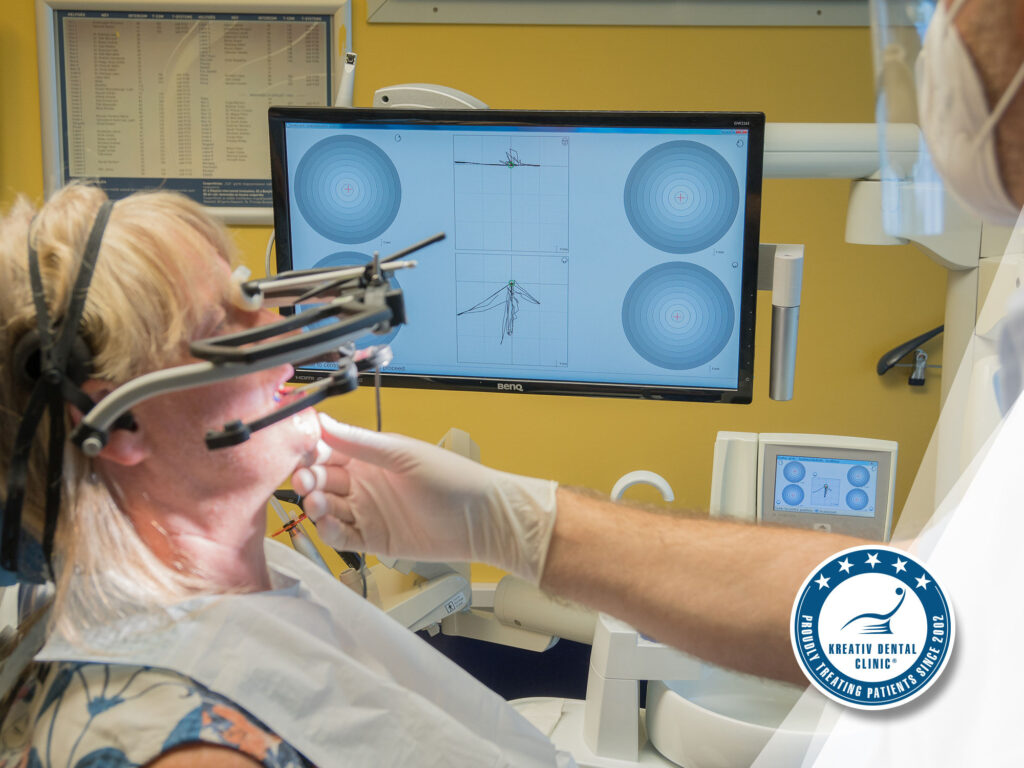
Arcus Digma 2 frá KaVo
Árið 2010 tók Kreativ Dental í notkun Arcus Digma 2 tækið. Þetta er hátækni skráningarkerfi fyrir bit þeirra sem hafa fundið fyrir bitóþægindum. Sérfræðingar Kreative Dental nota þetta háþróaða tæki til að kortleggja bitvandamál með þrívíddarómskoðun (ultrasonic 3D) og meðhöndla vandamálið samkvæmt greiningunni.
Arcus Digma 2 þrívíddarómskönnunartækið mælir og tekur upp hreyfingar og stöður á kjálka. Þessar upplýsingar eru svo notaðar á rannsóknarstofu Kreativ Dental til að tryggja nákvæmt bit og vandaða endursmíði tanna.
Ef nauðsynlegar lagfæringar á biti eru ekki gerðar er hætta á að tannviðgerðir skemmist sem og kjálkar og tennur. Þessi nýja tækni hefur sannað gildi sitt með áreiðanleika á greiningu og meðferð á bitvandamálum. Með Arcus Digma 2 þrívíddarómskoðuninni er ónákvæmt bit úr sögunni.
Gnatological Treatment
What is Gnatology?
Gnatology is a specialized field within dentistry that focuses on the functioning of the temporomandibular joint (TMJ), its disorders, and their treatment. Gnatological assessment is a specific diagnostic procedure for identifying chewing disorders and TMJ issues. During this assessment, the dentist examines the bite, jaw movement, and the balance between the jaw muscles to detect and address dysfunctions.
When is gnatological assessment necessary?
The TMJ is a complex joint responsible for functions like chewing and speech. If it is misaligned or moves abnormally, it can cause various symptoms that significantly impact quality of life. Over time, untreated TMJ dysfunction can lead to joint wear, deformation, and even systemic health issues.
Symptoms indicating the need for gnatological evaluation include:
- Unusual sounds during jaw movement, such as clicking or popping.
- Jaw dislocation or slipping.
- Ear pain or severe discomfort around the ear.
- Difficulty chewing.
- Unexplained neck pain or headaches.
- Nighttime teeth grinding (bruxism).
- Sleep disturbances.
- Facial asymmetry, including one-sided wrinkles or uneven features.
- Restricted mouth opening.
When is gnatological treatment needed?
Gnatological treatment aims to restore normal TMJ function and achieve proper biting and chewing dynamics. Depending on the underlying issue, this may involve:
- Conservative dental treatments, such as occlusal adjustments.
- Orthodontic treatments to correct bite misalignment.
- Prosthetic rehabilitation, like crowns or bridges.
- Periodontal procedures to address supporting structures of the teeth.
The ultimate goal is to alleviate symptoms, preserve TMJ health, and improve the patient’s overall quality of life.
Why choose Kreativ Dental for your Gnathological treatment?
Kreativ Dental, the award winning dentistry in Budapest, Hungary has all the equipment ready that is needed to carry out the necessary bite assessment at high quality. Our dentists have long-term experience in both diagnosing and treating patients with malocclusion. If you need bite correction, it’s so important to have an experienced dental team performing your treatment who really know what they are doing.
SamsetningaraðgerðCombined restorations
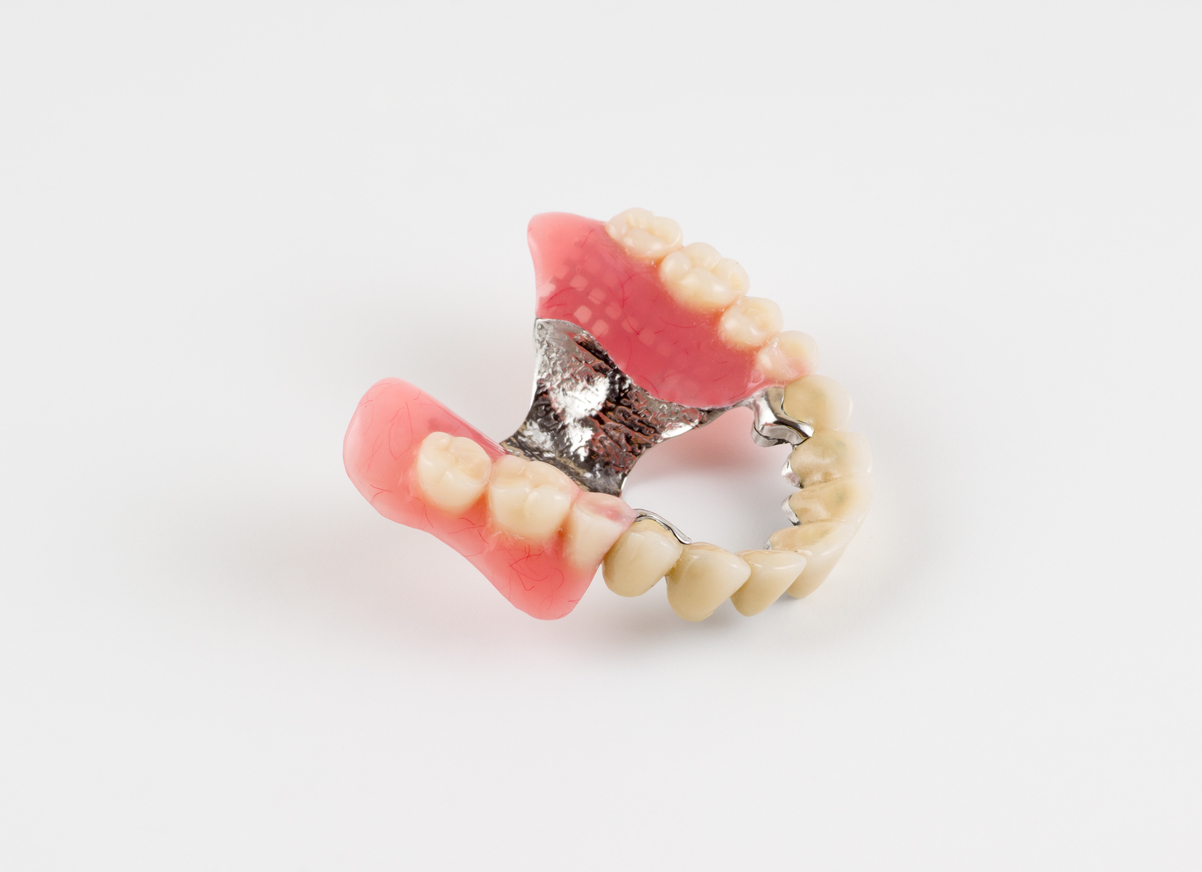
Brú með lausu tanngervi – háþróuð tækni í tanngervatannlækningum
Samanstendur af tveimur pörtum:
– föst/límd brú
– Laust tanngervi (partur)
Slík samþætting getur oft verið rétta lausnin ef einstaklingur er ekki með nægilega margar náttúrulegar tennur fyrir brú eða ef ekki er hægt að notast við tannplanta.
Þær tennur sem fyrir eru í gómi eru þá slípaðar til og postulíns brú smíðuð sem svo er límd föst á sinn stað.
Vegna þess að fasti parturinn (brúin) er óhreyfanlegur eykur það stöðugleika lausa tanngervisins. Þessi aukni stöðugleiki fæst með því að tengja brúna við lausa tanngervið með sérstaklega stöðugri festingu.
Kostir: minni líkur á vandamálum, hönnun er einföld og verð hagstætt.
Ókostir: festingarnar eru í flestum tilfellum sjáanlegar, skertur stöðugleiki.
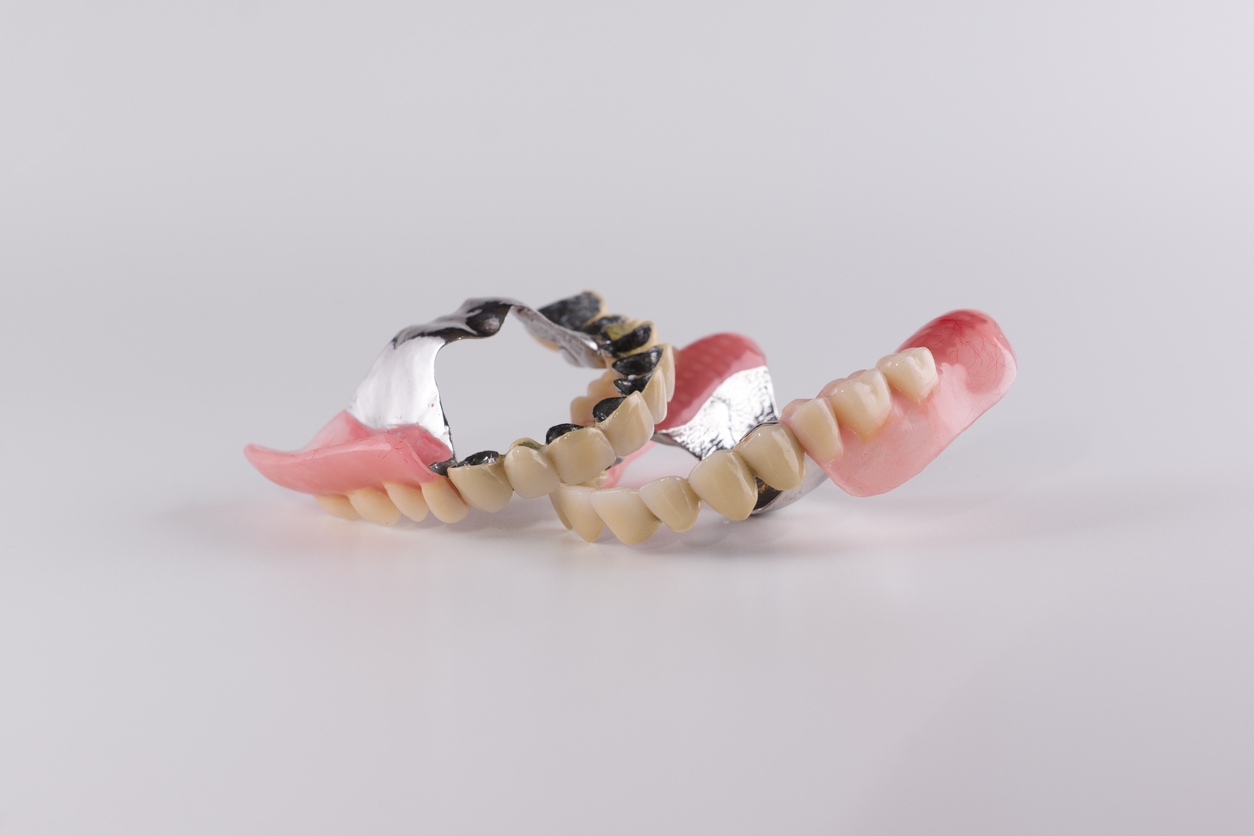
Framúrskarandi árangur næst með MK1 búnaði sem festir saman brúna við lausa partinn (tanngervið). Þetta þýðir að milli fasta og lausa tanngervisins er sérstakur falinn lás sem aðeins er hægt að opna með sérstökum “lykli”. Vegna þessara þátta er lausi parturinn fagurfræðilega fullkominn og hefur nánast sama stöðugleika og fasta tanngervið (brúin).
Tanngervið hvílir á sterkri málmþynnu sem minnkar umfang þess og gerir að verkum að það veldur minni pirringi í munni. Með því að nota þær tennur sem fyrir eru í brúna er tannlínunni haldið beinni. Með því er bitþrýsingnum dreift á allar tennurnar en ekki aðeins á lausa tanngervið.
Með þessu eykst endingartími lagfæringanna og eyðing tannbeins minnkar.
Combined Denture
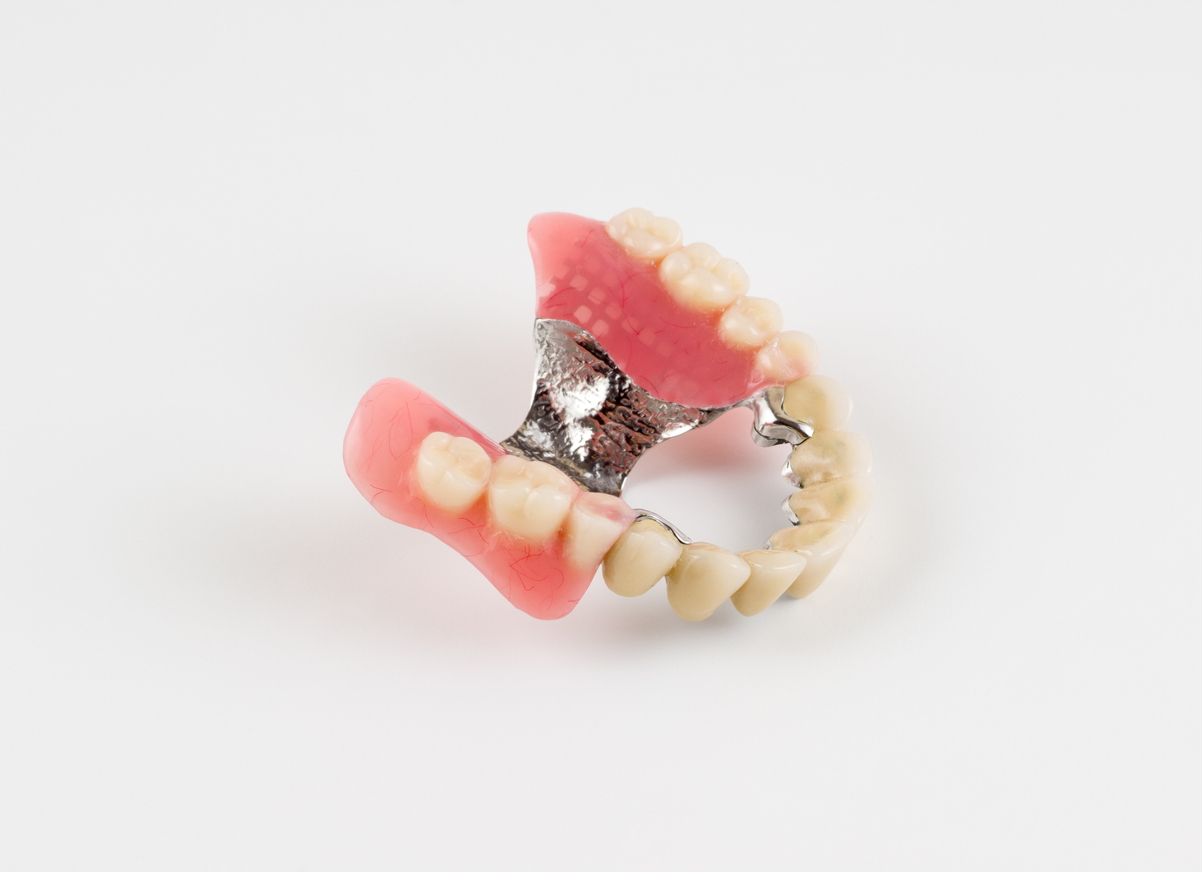
What is a combined denture?
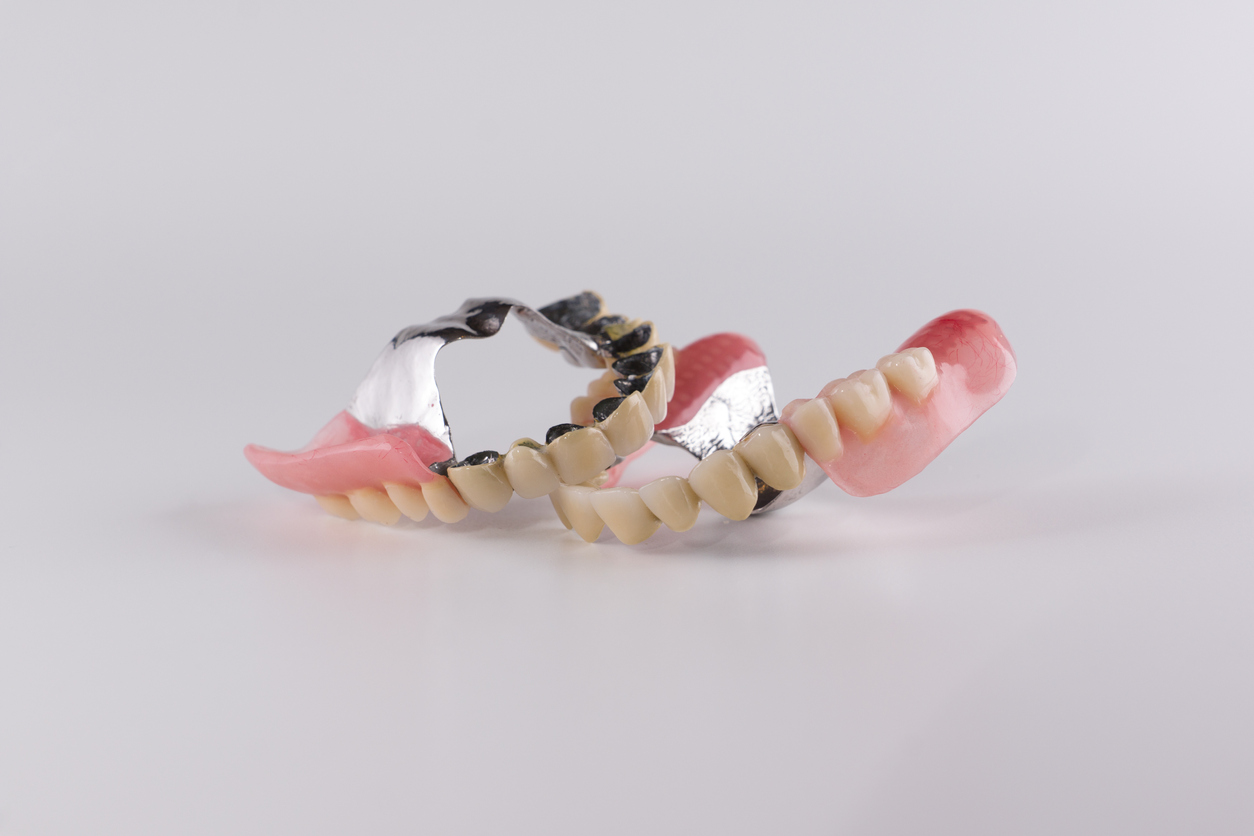
A combined denture is an excellent solution for individuals who cannot or do not wish to receive a sufficient number of implants. While it is a compromise compared to fixed bridges or natural teeth, it is the best option among removable dentures. As one of the world’s best dental clinics, Kreativ Dental in Budapest, Hungary offers this treatment at world class quality but still at low cost.
Who is a combined denture recommended for?
Combined dentures are primarily designed for patients who have stable front teeth but are missing their molars.
How is a combined denture made?
A fixed porcelain bridge is cemented onto the teeth, complemented by a removable partial denture to replace the missing teeth.
What are the advantages of a combined denture?
- No need for invasive surgical procedures required for implants.
- More affordable than implant-supported bridges.
- No waiting period for implant healing, allowing for quicker application.
- Smaller, more stable, and more comfortable than other removable dentures.
- Aesthetic design with precision attachments that eliminate visible clasps.
- Does not cover the entire palate, preserving natural speech and taste sensation.
What is the treatment process?
-
Consultation and Planning
- An initial consultation with the dentist to discuss the patient’s needs and expectations.
- Examination of the teeth and jaw structure to determine the type and material of the combined denture.
- A detailed plan is created, including the shape, size, and color of the teeth.
-
Tooth Preparation
If necessary, preparatory treatments such as tartar removal or fillings are performed to ensure the health and stability of the teeth. -
Impression Taking
A dental impression is taken to serve as the basis for creating the denture. The impression must be precise and detailed for a perfect fit. -
Denture Fabrication
The dental technician crafts the combined denture according to the planned specifications. This includes preparing the materials (ceramic or resin) and shaping and coloring the teeth. -
Trial Placement and Adjustment
The completed denture is initially tested in the patient’s mouth to evaluate fit and aesthetics. Minor adjustments may be made to improve fit or match the color. -
Final Placement
Once the denture fits perfectly and meets aesthetic expectations, it is permanently secured. The dentist uses special adhesive or cement to stabilize the denture. -
Aftercare and Follow-Up
- Patients receive instructions on proper cleaning and maintenance of the denture.
- Regular check-ups are scheduled to monitor the condition of the denture and overall oral health.
Creating a combined denture is a complex process that requires close collaboration between the patient and the dentist to ensure a high-quality and durable result.
Why should you choose Kreativ Dental for your dental treatment?
- Leading clinic in dental tourism
- More than 20 years of experience
- 12 dental professionals
- Savings up to 60%
TannhvíttunTeeth whitening
Við bjóðum upp á tannhvíttun á stofunni sem tekur um einn til einn og hálfan klukkutíma.
Við bjóðum einnig upp á “Zoom whitening” tækni sem og tannhvíttunarpakka til að eiga heima.
Philips ZOOM Teeth Whitening System
What is the Philips ZOOM Teeth Whitening System?
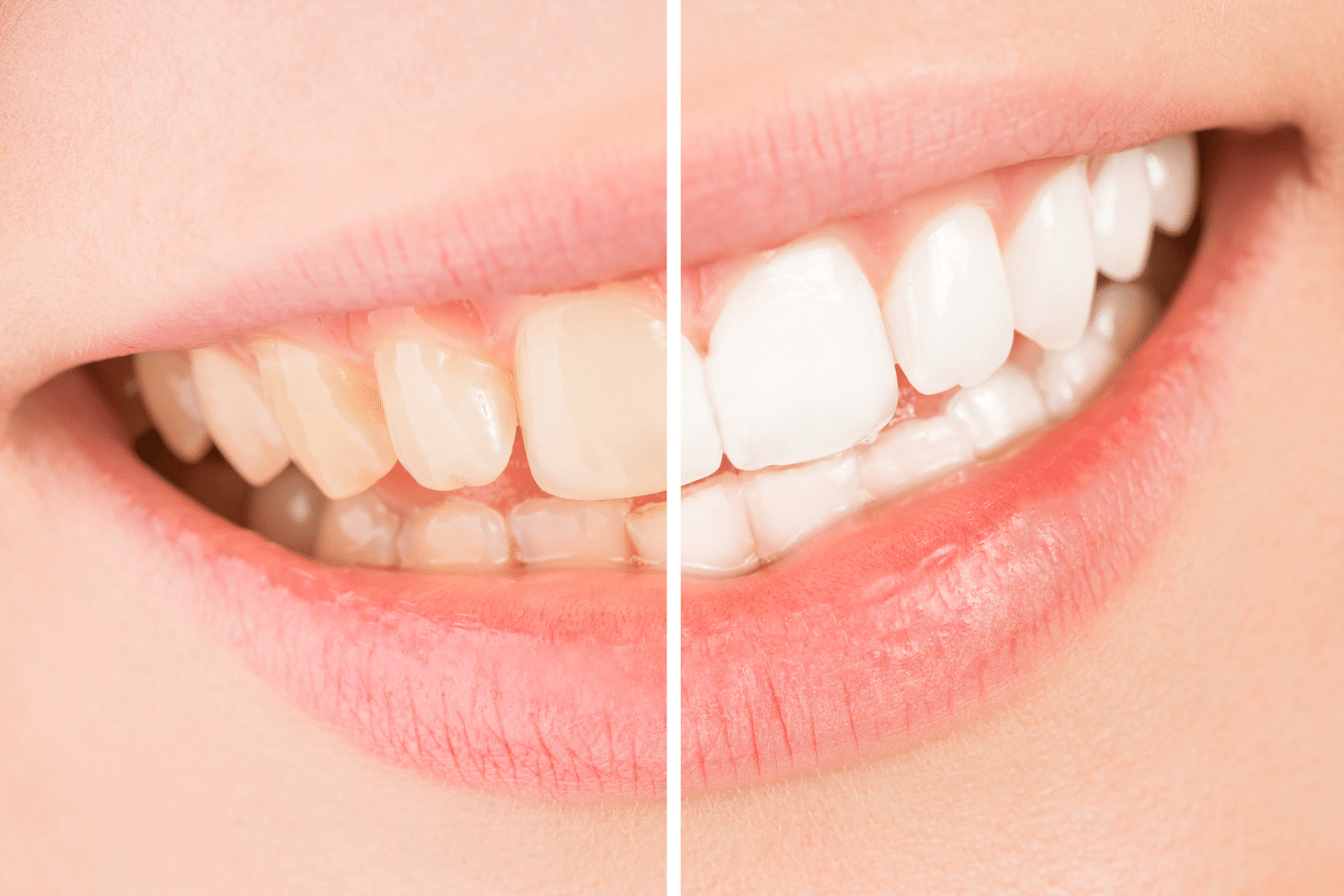
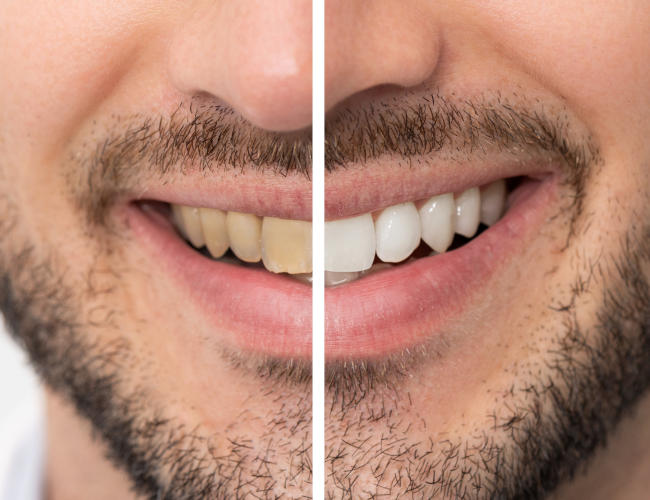
The Philips ZOOM Teeth Whitening System is a globally recognized, reliable, and professional teeth whitening procedure recommended by dentists. It is clinically proven to brighten teeth by up to eight shades without harming teeth or gums. In addition to delivering a whiter and shinier smile, it protects tooth enamel. It is the only whitening system that uses ACP (amorphous calcium phosphate), which reduces tooth sensitivity, strengthens enamel, and makes teeth smoother and more radiant.
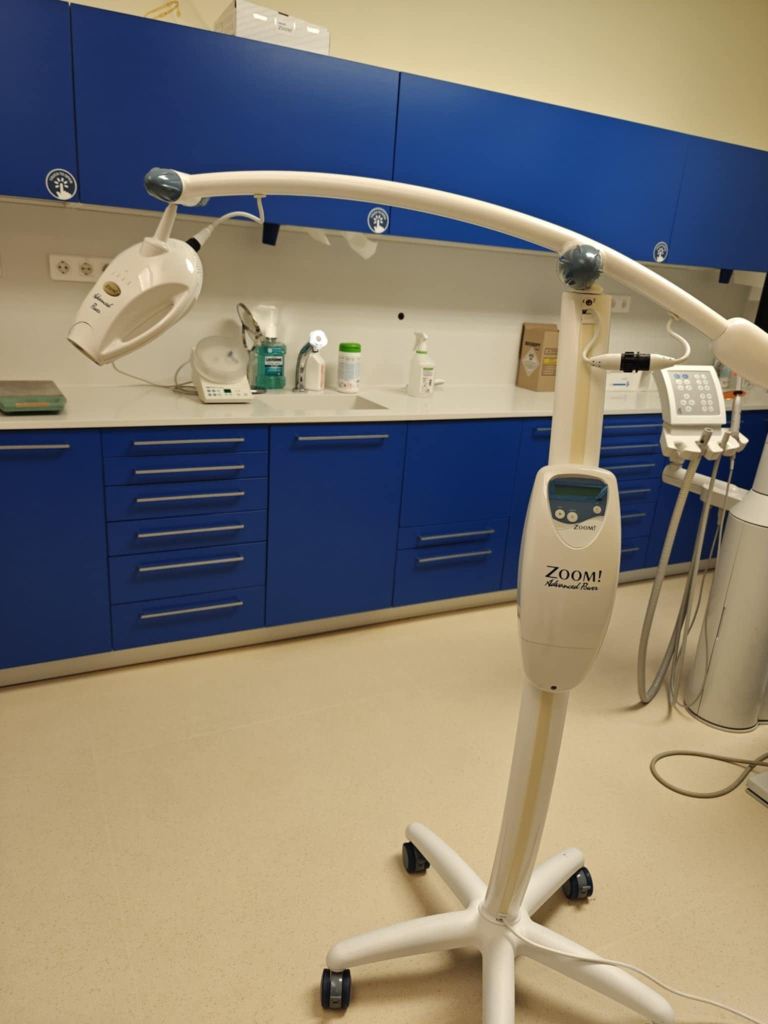
Philips integrates its expertise in lighting technology into the ZOOM whitening system, utilizing light-activated technology for optimal results. The LED-accelerated procedure can achieve up to eight shades of whitening in just 45 minutes, making it 40% more effective than non-light-activated systems. Due to its professional nature, this treatment is exclusively performed “chair-side” in dental clinics for maximum safety.
How is the procedure performed at Kreativ Dental, the leading dental clinic in Budapest, Hungary?
Professional Cleaning
The treatment begins with a thorough dental cleaning by a dentist or hygienist to remove plaque, tartar, and surface stains. The initial tooth shade is recorded using a shade guide.
Soft Tissue Protection
A special protective coating is applied to the gums to safeguard soft tissues during the procedure.
Application of Whitening Paste
A hydrogen peroxide-based whitening gel is applied to the teeth, and a specialized LED lamp is positioned to activate and enhance the whitening process.
Treatment Sessions
The process typically involves three 15-minute sessions. After each session, the dentist evaluates the progress and removes the lamp and whitening material.
Final Assessment
After the final session, the dentist removes all materials and compares the initial and final tooth shades using a shade guide.
Aftercare
Post-treatment, the dentist in Budapest provides guidance on oral care to maintain the results. Patients leave with a brighter, more confident smile. And of course with all the money in the pocket saved due to the price advantage of dental treatment at Kreativ Dental.
How does it work?
The hydrogen peroxide in the whitening gel penetrates the enamel through microscopic pores and breaks down molecular bonds in stains and discoloration. This deep cleaning brightens the teeth from within, and the translucent enamel reveals the improved shade. The Philips Zoom WhiteSpeed LED Accelerator enhances and speeds up this process, improving the results by up to 40%.
What are the risks of teeth whitening?
Despite its benefits, the Philips ZOOM system may have some temporary side effects:
-
Tooth Sensitivity
Although ACP in the gel helps reduce sensitivity, some patients may experience temporary discomfort during or after treatment. This can typically be managed with desensitizing treatments. -
Gum Irritation
If the whitening gel contacts the gums, it may cause redness, swelling, or sensitivity. Proper application and gum protection minimize this risk. -
Temporary Tooth Color Vulnerability
Teeth may be temporarily more prone to staining from colored foods and beverages post-treatment. It’s essential to avoid staining substances like coffee, wine, and certain foods for a few days after the procedure.
With proper care and professional application, the Philips ZOOM Teeth Whitening System offers safe, effective, and lasting results, leaving patients with a dazzling smile.
Stafræn skönnun munnholsDigital oral scanning
Sem leiðandi tannlæknastofa í tannlækningum milli landamæra vinnur Kreativ Dental í Búdapest Ungverjalandi hörðum höndum að því að fylgjast með og taka þátt í nýjungum og halda tækni sinni í fremstu röð.
Þróun stafrænnar tækni fleygir fram og erum við stöðugt að uppfæra og efla meðferðarferla okkar með innleiðingu á nýrri stafrænni tækni í tannlækningum.
Tækni við stafræna skönnun tanna og munnhols hefur nú náð þeirri nákvæmni og gæðum að hún nýtist tannlæknum og tannsmiðum Kreativ Dental sem gerir það að verkum að hefðbundin bit mót eru ekki alltaf nauðsynleg. Með Medit i500 oral skannanum eru mót af tönnum og munnholi tekin stafrænt sem gerir ferlið á tannlæknastofu og tannsmíðaverkstæði okkar í Búdapest þægilegt, fljótlegt og sársaukalaust.
Helsti ávinningur meðferðarinnar er meðal annars:
- Engin óþægindi eða kúgunar tilfinning
- Skemmri tími
- Umhverfisvænt
- Nákvæmni
- Navi Guide implantation – DIOnavi©
As a leading clinic in cross-border dental care, Kreativ Dental in Budapest continually follows developments and invests in new digital technology.
Digital dental and oral scanning has reached a level of accuracy and quality that means traditional impressions are not always necessary. With the Medit i500 oral scanner, digital impressions make the process at our clinic and laboratory comfortable, fast and painless.
Benefits include
- No discomfort or gagging sensation
- Less time
- Environmentally friendly
- Precision
Navi Guide implantation – DIOnavi©
TölvusneiðmyndCT scan
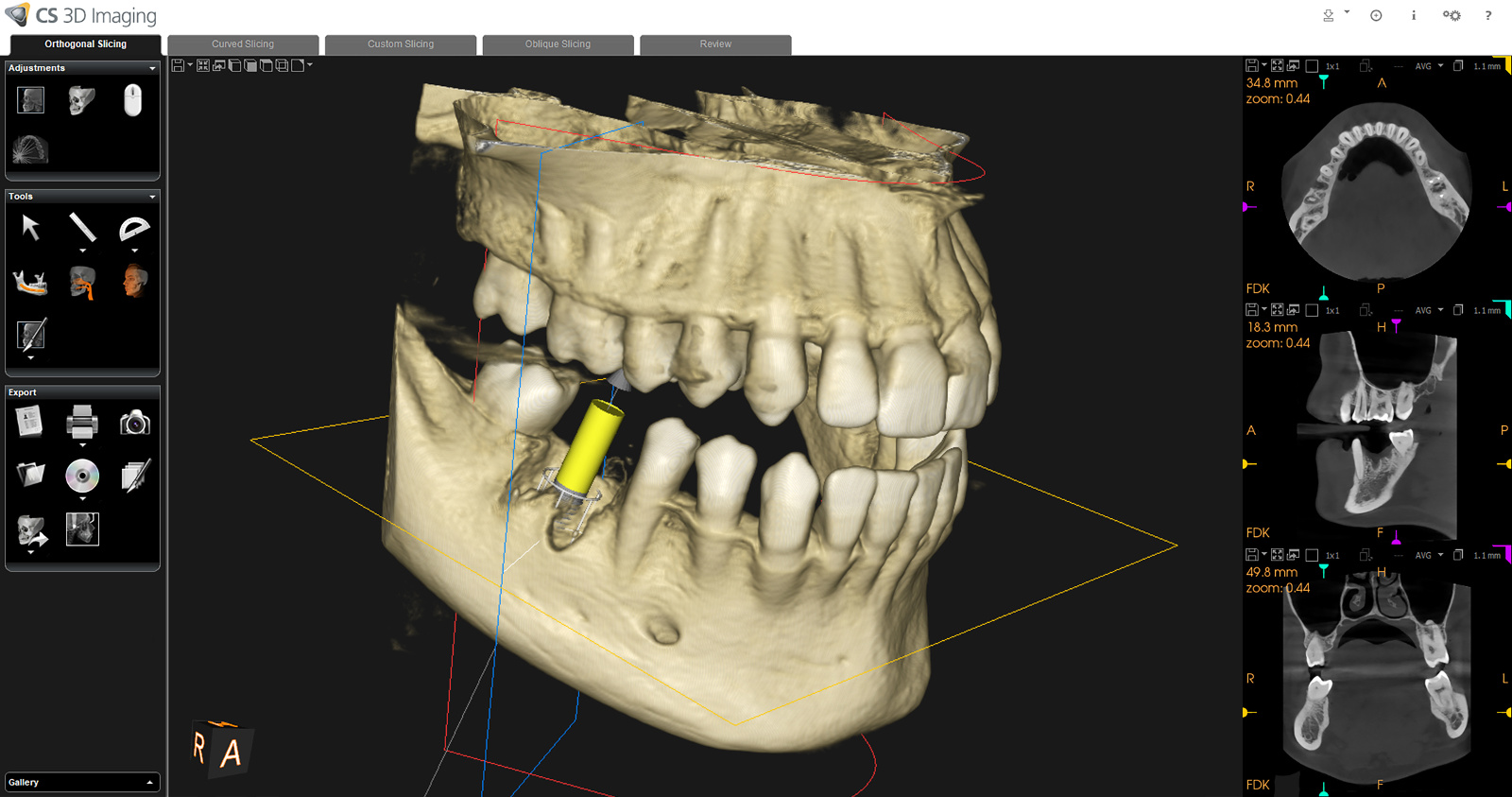
Hvað er Tölvusneiðmynd (eða CAT Scan)?
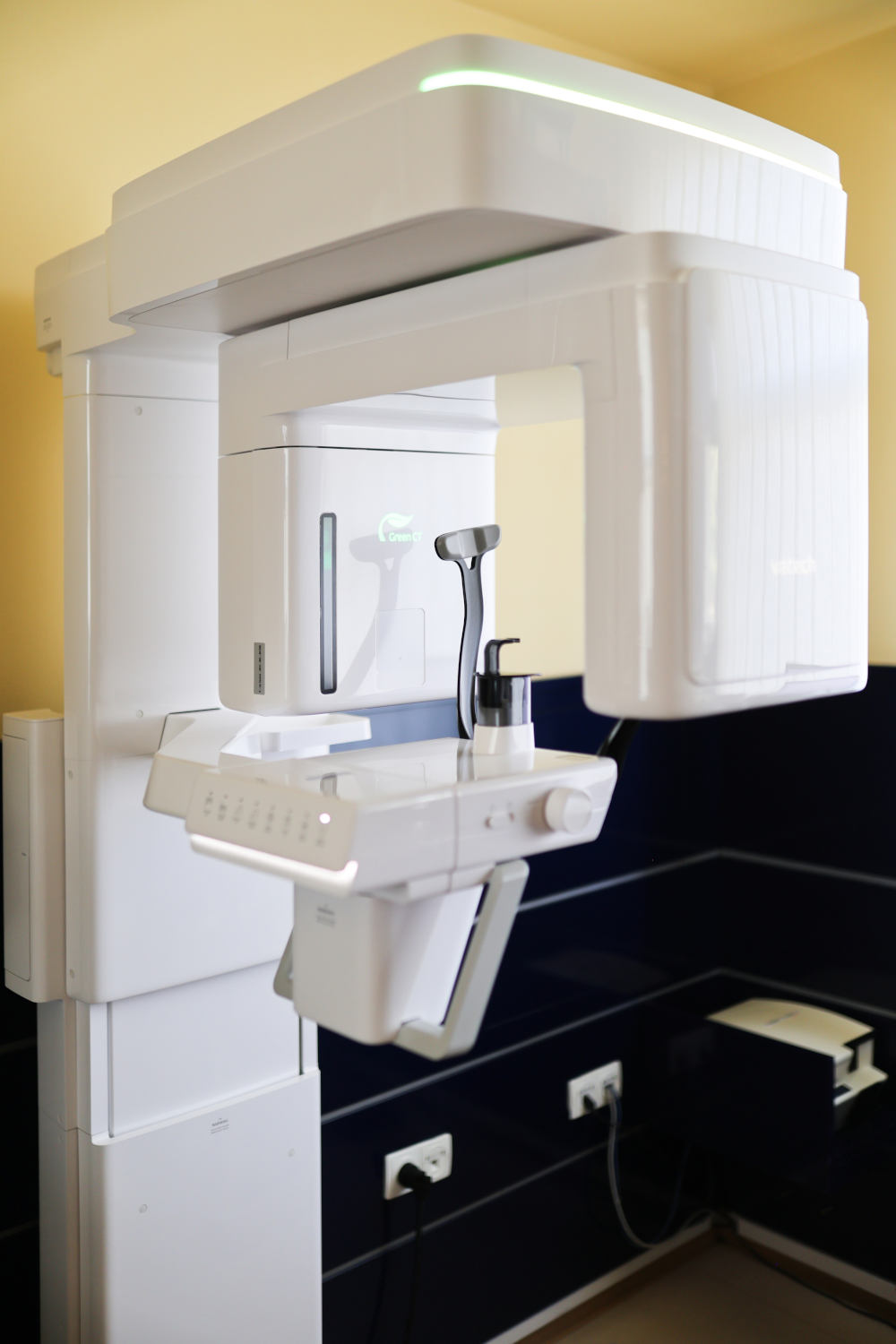
Stafræn tölvusneiðmynd (einnig þekkt sem CT scan eða CAT scan) er sérhannað tæki sem tekur fjölda röntgenmynda frá mörgum mismunandi sjónarhornum og setur þær svo saman í tölvu til að sjá þrívíða mynd af kjálkanum. Tölvusneiðmynd sýnir einnig taugar, kinnholur og önnur líffræðileg kennileiti í kjálka og í munnholi.
Tölvusneiðmynd tekur skamma stund, Það er ekkert inngrip og geislun er mjög lág. Tölvusneiðmynd er frábært tæki til nákvæmrar greiningar sem hjálpar tannlæknum okkar að greina svæði sem hugsanlega þarfnast frekari athugunar og í flestum tilfellum að komast hjá könnunarskurðaðgerð.
Sérþjálfaður starfsmaður Kreativ Dental sér um að taka tölvusneiðmyndina. Tölvusneiðmyndasérfræðingur okkar skoðar og metur síðan tölvusneiðmyndina ásamt sérfræðingi í tannplöntumog/eða tannlækni.
Hvers vegna þarf að fara í tölvusneiðmyndatæki?
Það eru sérstök tilfelli við munnholsskurðlækningar og tannplantaísetningar þar sem röntgenmynd veitir ekki nægar líffræðilegar upplýsingar til að framkvæma aðgerð. I þessum tilvikum er nauðsynlegt að nota tölvusneiðmynd áður en aðgerð hefst.
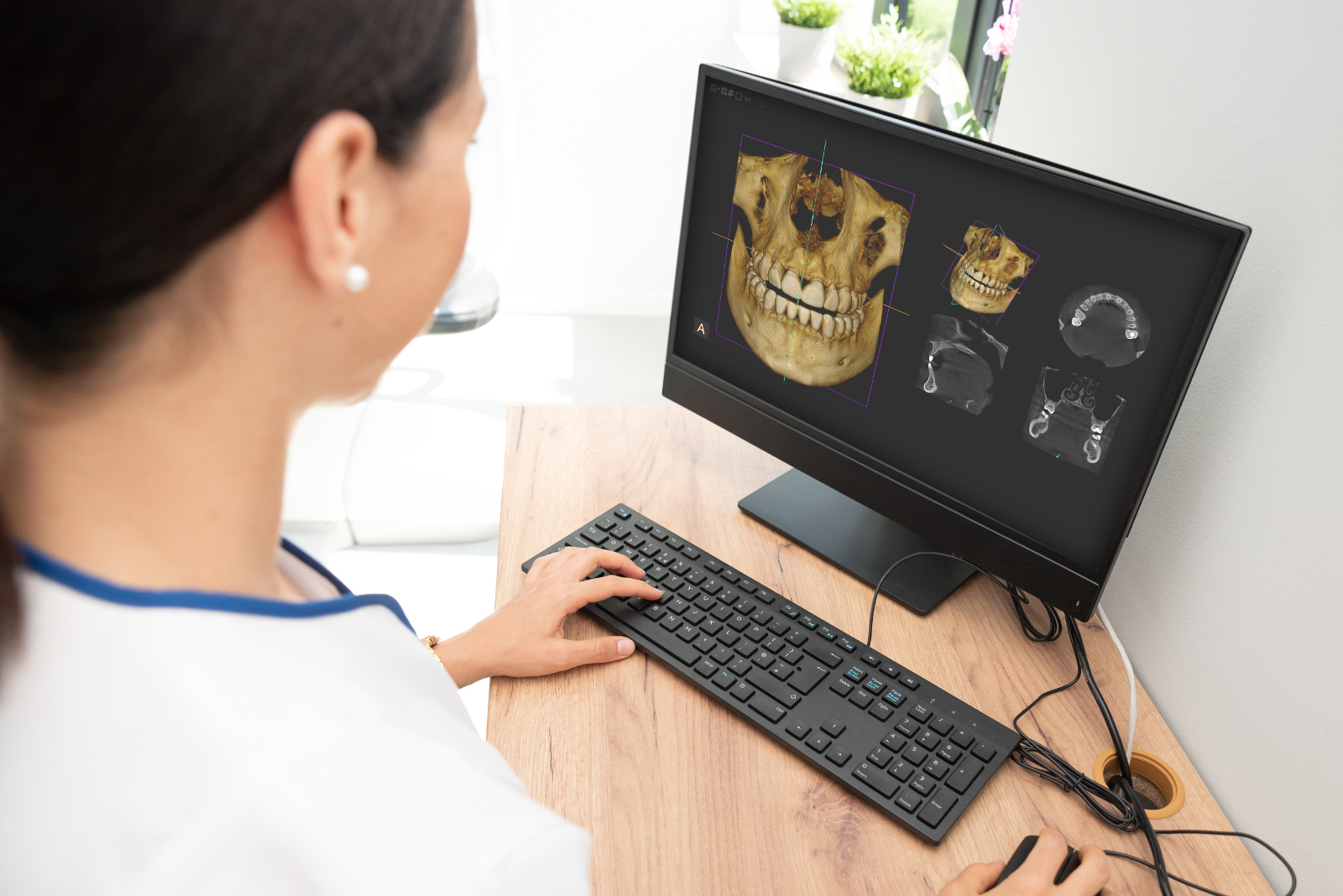
What is CBCT?
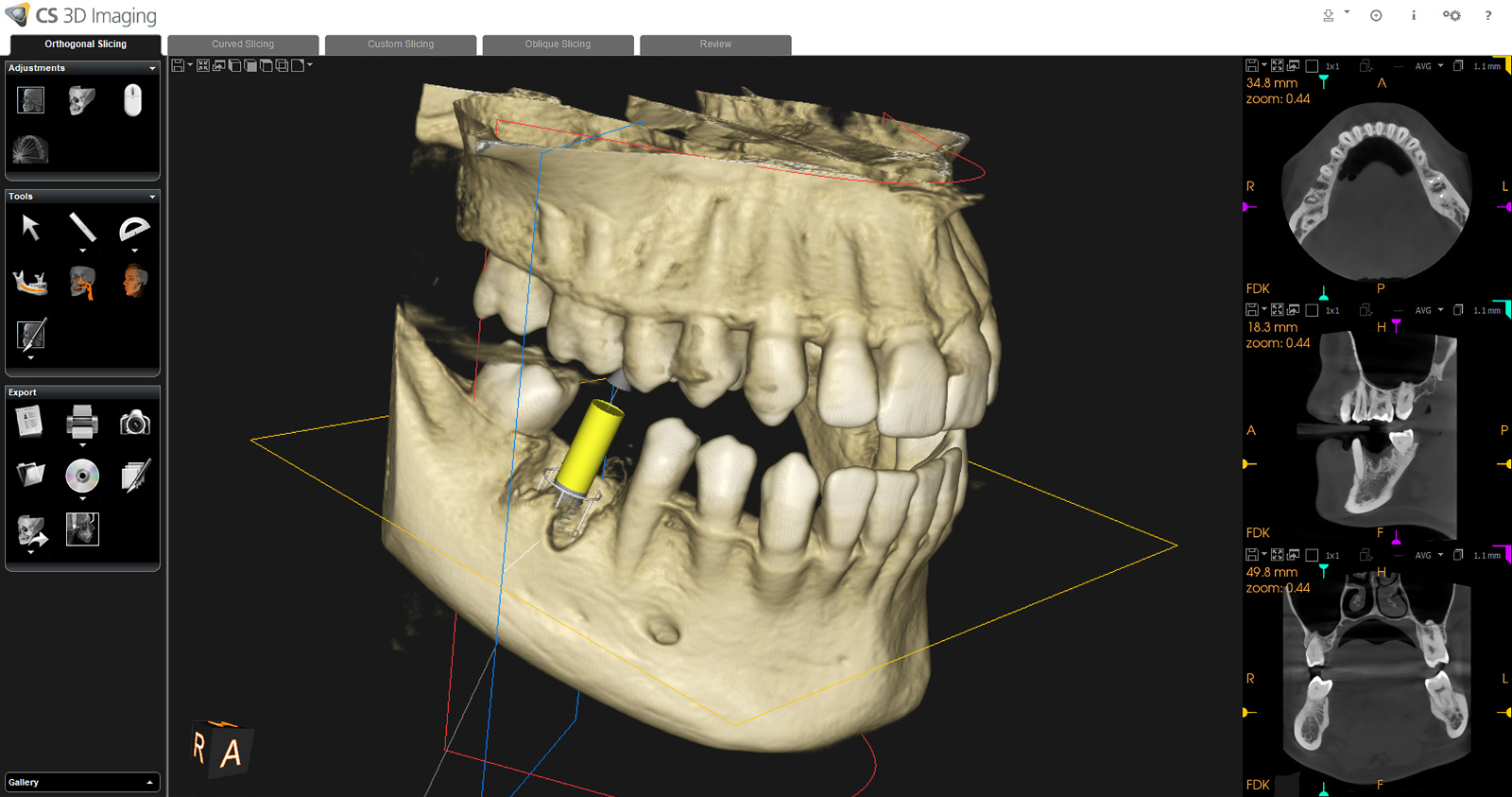
CBCT (Cone Beam Computed Tomography) is a specialized digital imaging method that produces three-dimensional X-ray images.
Advantages of CBCT
- Compared to traditional CT scans, CBCT exposes the patient to significantly lower radiation while providing precise imaging of the jawbones, teeth, and any associated abnormalities.
- It aids in accurate diagnosis and precise treatment planning.
- Compared to conventional panoramic X-rays, CBCT provides additional information that benefits both doctors and patients.
- The imaging process is safe, risk-free, and takes only a few minutes, similar to taking a panoramic X-ray.
Preparation for a CBCT Scan
- Any jewelry in the head or neck area should be removed to avoid interference with the scan.
- Complete stillness is required during the scan to ensure the sharpest, most accurate images.
- Protective lead aprons are used to minimize radiation exposure.
- Upon request, the completed scan can be saved onto a USB drive, along with the accompanying viewing software.
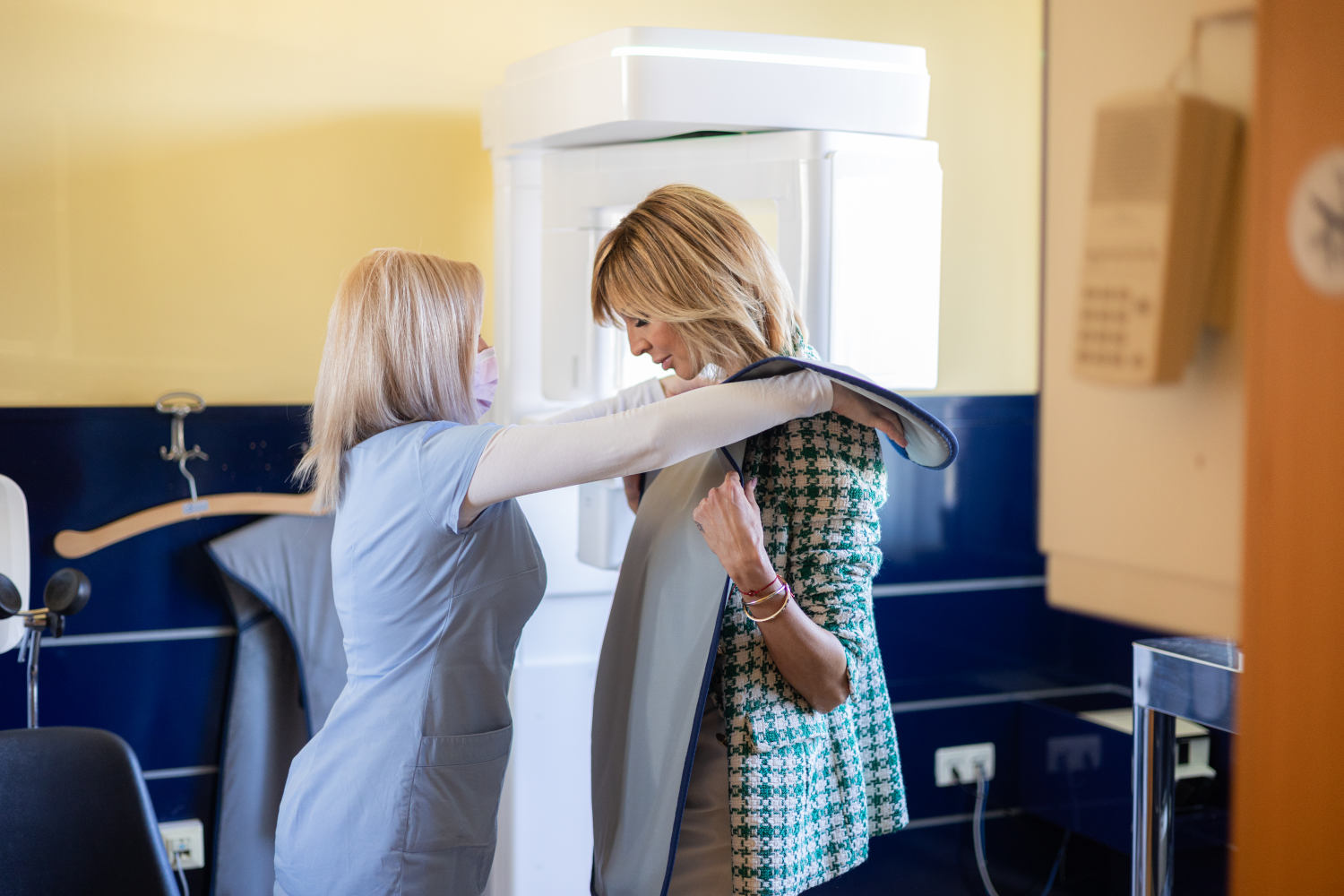
When is CBCT Recommended?
- Before complex dental procedures, such as implant placement, dental surgeries, or root canal treatment planning.
- For precise evaluation of tooth positioning and condition, e.g., before tooth extractions or implants.
- To diagnose gum diseases or temporomandibular joint (TMJ) disorders.
How is a CBCT Performed?
The patient is positioned in a special device that rotates around the head and quickly captures the necessary data to create a three-dimensional image.
Are There Any Risks?
Although the radiation dose is lower compared to traditional CT scans, it still involves some exposure, so it is used only when necessary.
In rare cases, allergic reactions or oral sensitivity may occur due to the use of contrast agents.
It is essential that the procedure is carried out only upon a professional’s recommendation and under their supervision. Kreativ Dental in Budapest, Hungary makes sure that you get only the necessary diagnostic procedures which means the minimum amount of radiation.